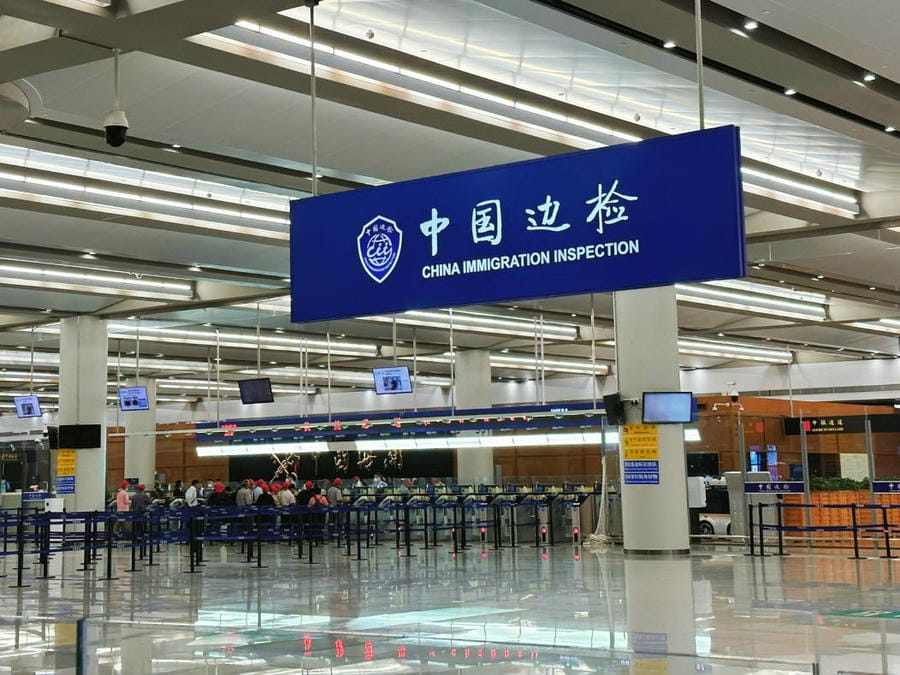
China allows ordinary passport holders from selected countries to enter visa-free for short stays under its unilateral visa exemption policy.
This guide explains which countries were listed by China’s National Immigration Administration at the last source check, what the 30-day rule means, which travel purposes may be covered, and what to verify before booking.
For the full entry decision flow, start with our China entry and visa guide: China entry and visa guide
Important warning
This is practical travel information, not legal or immigration advice. Visa-free policies can change. Always recheck the National Immigration Administration, the Ministry of Foreign Affairs, the Chinese embassy or consulate for your country, and your airline before travel.
Verify a 30-day China visa-free trip using dated official lists
Applies when: You hold a foreign passport and want to check China's unilateral 30-day visa-free entry rules for a short visit.
Quick answer
The NIA's February 17, 2026 published unilateral exemption list contained 50 countries, covering ordinary passports and specified short-stay purposes. This is a dated source, not a guarantee of future eligibility. The separate 240-hour visa-free transit program had 57 eligible nationalities by August 20, 2026. Check the policy that actually applies to your passport and journey before departure.
What to do
Compare your passport nationality against the latest National Immigration Administration and Chinese embassy notices; the NIA's English unilateral list cited here is dated February 17, 2026.
Unilateral 30-day exemptions generally refer to ordinary passports for eligible tourism, business, family visits, exchange visits or transit. Work, study and regulated activities require the correct authorization.
Review the current day-counting method, applicable agreements, visit history and special country terms with official sources rather than inferring eligibility from nationality alone.
The 240-hour transit scheme requires a qualifying third-country or region route and designated ports. Its eligible nationality list is different from the unilateral 30-day program.
Confirm with your airline and relevant Chinese embassy or the NIA 12367 service when the rule is uncertain; do not assume this checklist is entry authorization.
Did this help?
The short answer
At the last source check for this draft, NIA’s English page listed 50 countries covered by China’s unilateral visa exemption policy. The page says nationals of the listed countries holding ordinary passports may enter China visa-free for business, tourism, visits to relatives and friends, exchange visits, or transit, for stays of up to 30 days.
The stay duration is calculated from 00:00 on the day following the date of entry, according to NIA’s wording.
Do not confuse this with 240-hour transit
China’s 30-day visa-free entry policy and 240-hour visa-free transit policy are different.
30-day visa-free entry:
- based mainly on passport country, passport type, purpose and stay length;
- can support normal short visits if the purpose qualifies;
- does not require a third-country transit route.
240-hour visa-free transit:
- based on a transit route to a third country or region;
- applies to a different eligible country list;
- depends on designated ports and permitted stay areas;
- requires onward travel within the allowed time.
Transit guide: 240-hour visa-free transit in China
Source date matters: the NIA unilateral visa exemption list reproduced below was compiled on February 17, 2026 (50 countries). By August 20, 2026, the separate 240-hour transit list covered 57 eligible nationalities. Do not infer transit eligibility from the unilateral list or treat either dated list as a promise of entry. Check the most recent notices from NIA and the Chinese embassy serving your passport country before travel.
Countries listed by NIA at last source check
NIA’s English list was compiled according to Ministry of Foreign Affairs information as of February 17, 2026. It grouped countries as follows.
Europe
Andorra, Austria, Belgium, Bulgaria, Croatia, Cyprus, Denmark, Estonia, Finland, France, Germany, Greece, Hungary, Iceland, Ireland, Italy, Latvia, Liechtenstein, Luxembourg, Malta, Monaco, Montenegro, Netherlands, North Macedonia, Norway, Poland, Portugal, Romania, Russian Federation, Slovakia, Slovenia, Spain, Sweden, Switzerland, United Kingdom of Great Britain and Northern Ireland.
Oceania
Australia, New Zealand.
Asia
Bahrain, Brunei Darussalam, Japan, Kuwait, Oman, Republic of Korea, Saudi Arabia.
Americas
Argentina, Brazil, Canada, Chile, Peru, Uruguay.
What passport type is covered?
The NIA page refers to nationals of the listed countries holding ordinary passports.
If you hold a diplomatic, service, official, refugee, stateless, emergency, temporary, or other special travel document, do not assume the same rule applies. Check official sources before traveling.
What travel purposes may qualify?
NIA’s list says ordinary passport holders from the listed countries may enter visa-free for:
- business;
- tourism;
- visits to relatives and friends;
- exchange visits;
- transit.
This does not mean every activity is allowed. Work, study, journalism, long-term residence, or activities requiring prior approval may need the correct visa.
How long can you stay?
NIA’s page states stays of up to 30 days. It also states the duration of stay is calculated from 00:00 on the day following the date of entry.
Practical advice:
- do not plan to leave at the last possible moment;
- keep a buffer before the end of the permitted stay;
- keep proof of your return or onward travel;
- check whether local registration or accommodation rules apply.
What to prepare before traveling visa-free
Even if you qualify, prepare:
- valid passport;
- return or onward ticket;
- hotel booking or stay address;
- travel itinerary;
- proof of purpose if relevant;
- arrival card information;
- payment setup;
- phone data setup;
- contact details in China if visiting family, friends, suppliers or fair contacts.
Immigration checklist: what to prepare before China immigration
Business travelers and Canton Fair visitors
The NIA list includes business as one of the stated purposes for listed ordinary passport holders. Still, business travel can vary.
A short visit for meetings or a trade fair is not the same as working in China. If your activity involves employment, paid work, installation, training, filming, journalism, or regulated services, check whether a visa is required.
Canton Fair visitors should also prepare fair registration documents, hotel booking, business cards, supplier contacts, and payment setup.
Payments guide: Payments in China
What happens at immigration?
Visa-free entry does not mean no inspection. At the border, officers may check:
- passport;
- travel purpose;
- stay duration;
- accommodation address;
- return or onward ticket;
- arrival card information;
- whether your activity matches the visa-free policy.
Arrival process guide: China arrival card and immigration process
Common mistakes
Do not use the 240-hour transit list to judge 30-day visa-free entry.
Do not assume all EU, ASEAN, or G7 countries are automatically included.
Do not assume special passports are covered.
Do not assume business visa-free means employment is allowed.
Do not overstay the 30-day period.
Do not rely only on social media lists.
Do not forget airline boarding checks.
Official policy sources to check
China entry and transit rules can change by nationality, port, routing and date. Before relying on this guide, check the National Immigration Administration update on the 240-hour visa-free transit policy, the NIA visa-free transit policy explainer, and the relevant Chinese embassy or visa center page for your country.
Use this article as a planning framework, then verify your passport validity, onward ticket, eligible route and permitted stay area against the official source before you book a non-refundable itinerary.
FAQ
Can I enter China without a visa if my country is on the list?
Possibly, if you hold the required passport type, your travel purpose is covered, and your stay is within the allowed period. You still need to pass immigration inspection.
Does visa-free entry mean I can work in China?
No. Work and other activities requiring prior approval usually need the correct visa.
Is the 30-day visa-free list the same as the 240-hour transit list?
No. They are different policies with different conditions.
Does the 30 days start from my landing time?
NIA’s wording says the duration is calculated from 00:00 on the day following the date of entry.
Should I bring proof of accommodation?
Yes. Keep your hotel booking or stay address ready for immigration and practical travel use.
Last reviewed
Last reviewed: 2026-10-25