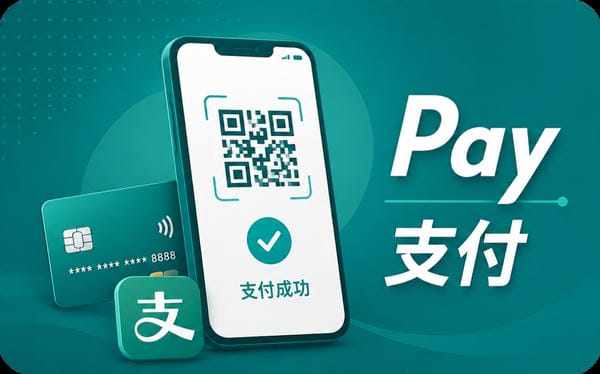
The easiest way to pay for daily travel in China is usually Alipay or WeChat Pay. But the best payment method depends on the situation: taxis, metro systems, restaurants, and high-speed trains each have slightly different payment flows.
This guide explains what to use first, what backup to carry, and what to check before you travel.
For the full payment setup, start with the Pillar guide: Payments in China
For the full planning context, start with our China transport guide.
The short answer
Use this quick payment map:
- Taxis: ride-hailing app, Alipay, WeChat Pay, or cash backup.
- Metro: Alipay/WeChat transport code, city ticket machine, local transport card, or overseas card where supported.
- Restaurants: Alipay or WeChat Pay QR code, with cash backup.
- High-speed trains: 12306, ticket counters, accepted online payments, and passport-based real-name ticketing.
Do not assume one payment method works in every city and every scenario.
Before you leave your hotel
Make sure you have:
- Alipay working;
- WeChat Pay working if possible;
- RMB cash;
- physical card;
- passport for train travel;
- phone data;
- power bank;
- hotel address in Chinese.
Payment backup plan: China payment backup plan
How to pay for taxis in China
Best option: ride-hailing through an app
If you can use ride-hailing through Alipay, WeChat, Didi, or another supported app, this is often easier than explaining your destination to a street taxi driver.
Advantages:
- destination can be entered in the app;
- route is visible;
- payment can be handled digitally;
- receipts may be easier to track.
Traditional taxis
For traditional taxis, prepare:
- destination in Chinese;
- Alipay or WeChat Pay;
- RMB cash backup;
- hotel phone number if needed.
Do not assume a taxi can accept a foreign physical card. Before the ride, confirm cash if your mobile payment is not working.
Airport taxis
Use official taxi queues. Avoid unofficial drivers. Keep cash backup for late-night arrivals or app failures.
How to pay for metro rides in China
Metro payment is city-specific.
Common options include:
- Alipay transport code;
- WeChat transport code;
- city metro app;
- ticket machines;
- staffed counters;
- local transport card;
- overseas contactless card in selected cities or systems.
Beijing has officially launched overseas Visa and Mastercard contactless card payment for its subway network. This is useful for Beijing visitors, but it should not be treated as a rule for all cities.
If you are visiting Shanghai, Guangzhou, Shenzhen, Chengdu, Xi’an, or another city, check that city’s current payment options before relying on a transport code or overseas card.
How to pay for buses
Buses can be less forgiving than metro systems because drivers may not provide detailed help.
Best options:
- city transport code in Alipay or WeChat;
- local transport card;
- exact cash where accepted;
- city-specific bus app if needed.
For first-time visitors, metro and ride-hailing are usually easier than local buses unless you have a clear route.
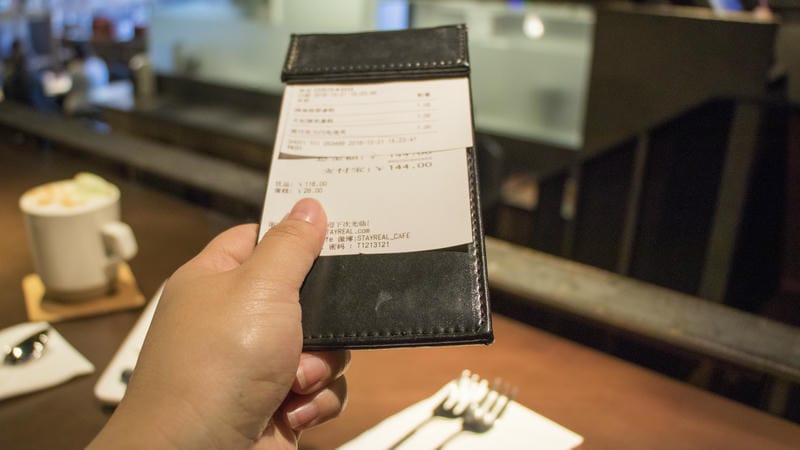
How to pay at restaurants
Most restaurants use QR code payments.
Common flows:
- Scan the table QR code to order and pay.
- Scan the cashier’s QR code after eating.
- Show your payment code for the cashier to scan.
- Pay cash if mobile payment fails and the restaurant can accept it.
Some table-ordering systems may be inside WeChat or Alipay mini programs and may be Chinese-only. If the page does not load or payment fails, ask staff for help.
How to pay at cafes, convenience stores and supermarkets
Use Alipay or WeChat Pay first.
At a cashier, you will usually either:
- show your payment code;
- scan the store’s QR code;
- pay cash;
- use a physical card only where accepted.
Convenience stores in major cities are usually easy with mobile payment.
How to pay for high-speed trains
China Railway’s official English 12306 site says passengers can buy e-tickets through 12306.cn or the 12306 mobile app, at ticket counters, at automatic ticketing machines, or through railway ticket agencies. It also explains that foreign passengers can buy real-name tickets with valid passports according to relevant rules.
Practical options:
- book through 12306 if you can complete account and payment setup;
- use a reliable travel platform;
- buy at a station counter with your passport;
- use Alipay or WeChat Pay where supported;
- keep your passport with you for station entry.
Do not treat a screenshot or itinerary sheet as a ticket. Your passport and the ticket record matter.
Related guide: China high-speed train guide
How to pay for airport transfers
Options:
- ride-hailing app;
- official taxi queue;
- airport express train or metro;
- hotel-arranged pickup;
- private transfer for late arrivals or business travelers.
For first-time visitors, the safest late-night plan is often official taxi or hotel pickup with cash backup.
Scenario checklist
Taxi
Use: ride-hailing, Alipay, WeChat Pay.
Backup: cash.
Do not rely on: foreign physical card.
Metro
Use: city transport code, ticket machine, local card, or overseas card where officially supported.
Backup: staffed counter and cash/card.
Do not rely on: one city’s rule applying nationwide.
Restaurant
Use: Alipay or WeChat Pay QR code.
Backup: cash.
Do not rely on: physical card at small local restaurants.
Train
Use: 12306, travel platform, station counter, accepted online payments.
Backup: passport, physical card, cash, enough time at the station.
Do not rely on: arriving late and solving account verification under time pressure.
Best setup for a first-time visitor
Before your first full day in China, prepare:
- Alipay;
- WeChat Pay;
- small RMB notes;
- physical card;
- city map app;
- hotel address in Chinese;
- data plan;
- power bank.
This setup handles most daily transport and food payments.
City-specific warning
China travel advice becomes risky when it sounds nationwide but is actually city-specific.
For example, Beijing’s overseas-card subway support is a Beijing-specific improvement. Other cities may have different options. When writing future city pages, add city-specific payment instructions for:
- Beijing;
- Shanghai;
- Guangzhou;
- Shenzhen;
- Hangzhou;
- Chengdu;
- Xi’an.
FAQ
Can I pay for taxis with cash in China?
Often yes, but confirm before the ride if your mobile payments are not working. Ride-hailing with app payment is usually easier.
Can I use Visa or Mastercard on the metro in China?
In some places, yes. Beijing has official support for overseas Visa and Mastercard contactless payments on its subway network. Other cities may differ.
Can I pay restaurants with a foreign credit card?
Sometimes at larger or international restaurants, but small restaurants usually expect Alipay, WeChat Pay, or cash.
Can foreigners buy train tickets with a passport?
China Railway’s English FAQ says foreign passengers can purchase real-name tickets with valid passports according to relevant rules.
What is the easiest daily payment method for taxis and restaurants?
Alipay or WeChat Pay is usually the easiest, with cash as backup.
Last reviewed
Last reviewed: 2026-07-01
Sources checked: Chinese Embassy / PBOC payment guide; Beijing official subway overseas bank card page; Beijing PASS page; 12306 English FAQ.