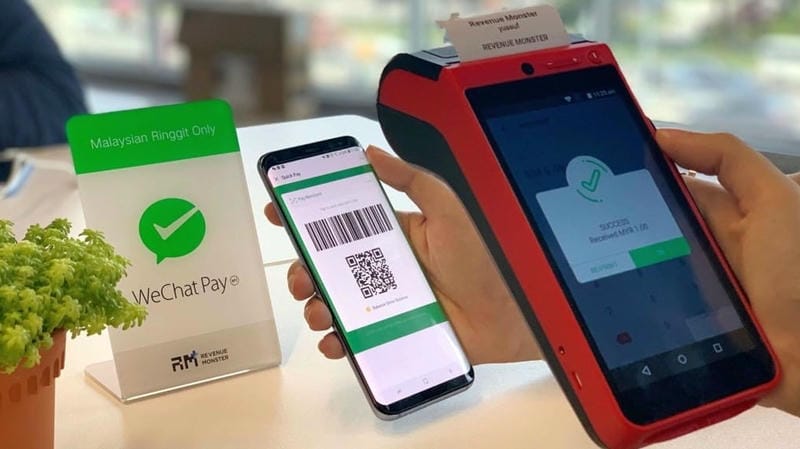
Yes, many foreign visitors can use WeChat Pay in China by linking a supported overseas bank card. WeChat Pay is useful for restaurants, shops, taxis, ride-hailing, travel services, mini programs, and everyday QR code payments.
But foreign-card WeChat Pay is not the same as a full local WeChat Pay account connected to a mainland Chinese bank card. Some functions may be limited. In official Beijing guidance, overseas-card users without mainland bank cards are described as mainly being able to use WeChat Pay for consumption, not general transfers or red packets.
For the complete payment setup, read the Pillar guide first: Payments in China
The short answer
Foreign visitors should usually treat WeChat Pay as:
- a very useful payment app;
- an important backup to Alipay;
- a gateway to services inside WeChat mini programs;
- not a guaranteed replacement for every local payment function.
Set it up before departure if possible. Do not wait until you need to pay a taxi driver or restaurant bill.
Why WeChat Pay matters in China
WeChat is not just a messaging app in China. Many restaurants, service providers, hotels, local shops, and transport-related services use WeChat mini programs or official accounts.
This makes WeChat Pay valuable even if you already have Alipay. In some situations, a restaurant menu, booking flow, or local service may be easier through WeChat than through a separate website.
What foreign visitors need
Prepare:
- WeChat installed on your phone;
- a working phone number that can receive SMS;
- passport details if verification is requested;
- an overseas credit or debit card if supported;
- mobile data in China;
- a backup payment method.
WeChat account registration and security checks can be stricter than many normal travel apps. Set it up early.
Overseas-card support and limitations
Official Beijing guidance says WeChat Pay supports several overseas credit cards, including JCB, Visa and Mastercard. It also explains two broad user types:
- Users with a mainland bank card.
- Users without a mainland bank card who bind supported overseas cards.
For the second type, the guidance says WeChat Pay supports consumption, but not general transfers or red packets. This matters because many travelers confuse merchant payments with sending money to another person.
Practical meaning:
- Paying a merchant may work.
- Paying through supported services may work.
- Sending money to a friend may not work.
- Red packets may not work.
- Some mini program payments may depend on the merchant or service.
How to set up WeChat Pay
1. Install WeChat before travel
Download WeChat from the official app store. Avoid unofficial app files.
2. Register and secure your account
Complete phone verification and account setup. Keep access to the phone number you used.
3. Find WeChat Pay or Wallet
The exact interface can vary. Look for Wallet, Pay, Services, or similar payment entry points inside WeChat.
4. Add a bank card
Add your supported overseas card and complete the requested card details. You may need card number, expiry date, security code, billing address, and SMS verification.
5. Set a payment password
WeChat Pay may ask you to create a payment password. Keep it secure and do not share it.
6. Test the payment flow
Before relying on WeChat Pay, learn where to find:
- payment code;
- scan function;
- bank cards;
- transaction history;
- account security settings.
How to pay with WeChat Pay in China
There are two common QR code flows:
- You scan the merchant’s QR code.
- The merchant scans your payment code.
For restaurants, you may also order through a WeChat mini program by scanning a table QR code. If the mini program is only in Chinese or fails to accept your foreign-card setup, ask staff for help or use Alipay/cash.
Where WeChat Pay is useful
WeChat Pay can be useful for:
- restaurants and cafes;
- local shops and convenience stores;
- taxis and ride-hailing;
- train and travel services where supported;
- e-commerce and local service mini programs;
- hotels and business services;
- Canton Fair-related local payments.
For business travelers, WeChat is also useful for communicating with suppliers, hotels, drivers, and local contacts. That makes WeChat Pay a natural payment backup.
WeChat Pay vs Alipay
Use both if possible.
Alipay is often easier to treat as the main tourist payment app. WeChat Pay is often more integrated with local communication and mini programs.
A good setup is:
- Alipay as main payment method;
- WeChat Pay as second payment method;
- cash and physical card as backups.
Read next: Alipay in China for foreigners
Common WeChat Pay problems
Account registration is difficult
WeChat may trigger security checks. Complete registration before travel and avoid changing devices or phone numbers right before departure if possible.
Card binding fails
Try another supported card, check whether your bank blocks the transaction, and make sure your billing details are correct.
Transfer or red packet does not work
This is expected for some overseas-card users. Use WeChat Pay mainly for merchant payments, not person-to-person transfers.
A mini program payment fails
Try Alipay, a different card, cash, or ask staff whether they can scan your payment code directly.
You cannot receive SMS
Check roaming, eSIM, or your original SIM access. This is one of the main reasons to avoid last-minute setup.
Should you rely only on WeChat Pay?
No. WeChat Pay is important, but it should not be your only payment method.
Use a backup stack:
- Alipay.
- WeChat Pay.
- Physical international card.
- RMB cash.
- Working mobile data and power bank.
Full backup guide: China payment backup plan
Best use cases by traveler type
First-time tourist
Use WeChat Pay as a backup to Alipay and for restaurants or services that work better inside WeChat.
Visa-free or transit traveler
Set up WeChat before arrival if you plan to use taxis, restaurants, or local services during a short stay.
Business traveler
Set up WeChat and WeChat Pay early. Many local contacts may use WeChat for communication and payments.
Canton Fair visitor
WeChat is useful for supplier communication, local transport, restaurants, printing shops, and service providers. Set it up before arriving in Guangzhou.
Payment sources and caveats
Payment availability in China is practical rather than absolute: the right setup can still fail at a small merchant, in a taxi, or when a card issuer blocks a verification step. For the current official baseline, check the State Council’s payment service guide for overseas visitors and Alipay+’s guide to paying in the Chinese mainland.
If your trip depends on mobile payments, test your setup before departure and still carry a backup card plus a small amount of RMB cash. The goal is not to find one perfect method, but to avoid having only one way to pay.
FAQ
Can foreigners use WeChat Pay without a Chinese bank account?
Many can use WeChat Pay by linking a supported overseas card, but some functions may be limited compared with users who have a mainland Chinese bank card.
Can tourists use WeChat Pay for restaurants and taxis?
Often yes, especially where merchant payments or supported ride-hailing services accept WeChat Pay. Always carry backup.
Can foreigners send red packets with WeChat Pay?
Not necessarily. Overseas-card users may be limited to consumption payments and may not be able to use general transfers or red packets.
Is WeChat Pay better than Alipay for tourists?
It depends on the situation. Alipay may be easier as the main tourist payment app, while WeChat Pay is important for WeChat mini programs, local communication, and backup coverage.
Should I set up WeChat Pay before going to China?
Yes. It is safer to complete registration, card binding, and verification before departure.
Last reviewed
Last reviewed: 2026-07-01