A 14-day China itinerary gives first-time visitors enough time for a broader route without turning the trip into a race. Beijing + Xi’an + Chengdu + Shanghai is a strong two-week route because each city has a clear role and the itinerary balances history, food, pandas and modern China.
For the full planning system, start with our China itinerary guide: China itinerary guide
14-day China itinerary: the short answer
Best route: Beijing + Xi’an + Chengdu + Shanghai
Why it works:
- Beijing: Forbidden City and Great Wall;
- Xi’an: Terracotta Army and ancient capital;
- Chengdu: Sichuan food, pandas and slower pace;
- Shanghai: modern China and easy departure;
- enough time for transfer days and rest.
Recommended route overview
| Day | City | Main focus |
|---|---|---|
| Day 1 | Beijing | Arrival and recovery |
| Day 2 | Beijing | Forbidden City / central route |
| Day 3 | Beijing | Great Wall |
| Day 4 | Beijing | Summer Palace, hutongs, museum or rest |
| Day 5 | Beijing → Xi’an | Transfer day |
| Day 6 | Xi’an | Terracotta Army |
| Day 7 | Xi’an | City wall, Bell Tower, food, slower route |
| Day 8 | Xi’an → Chengdu | Transfer day |
| Day 9 | Chengdu | Pandas and food |
| Day 10 | Chengdu | City route or Dujiangyan / Qingcheng day trip |
| Day 11 | Chengdu → Shanghai | Transfer day |
| Day 12 | Shanghai | The Bund / Lujiazui |
| Day 13 | Shanghai | Jing’an, Xuhui, museum, food or shopping |
| Day 14 | Shanghai | Departure |
Why this route is better than adding more cities
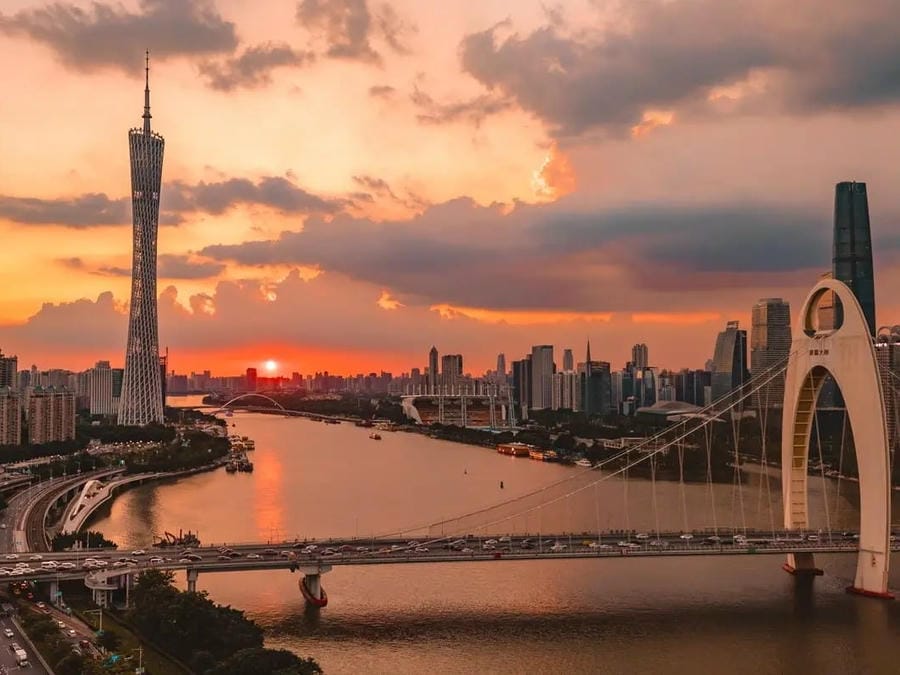
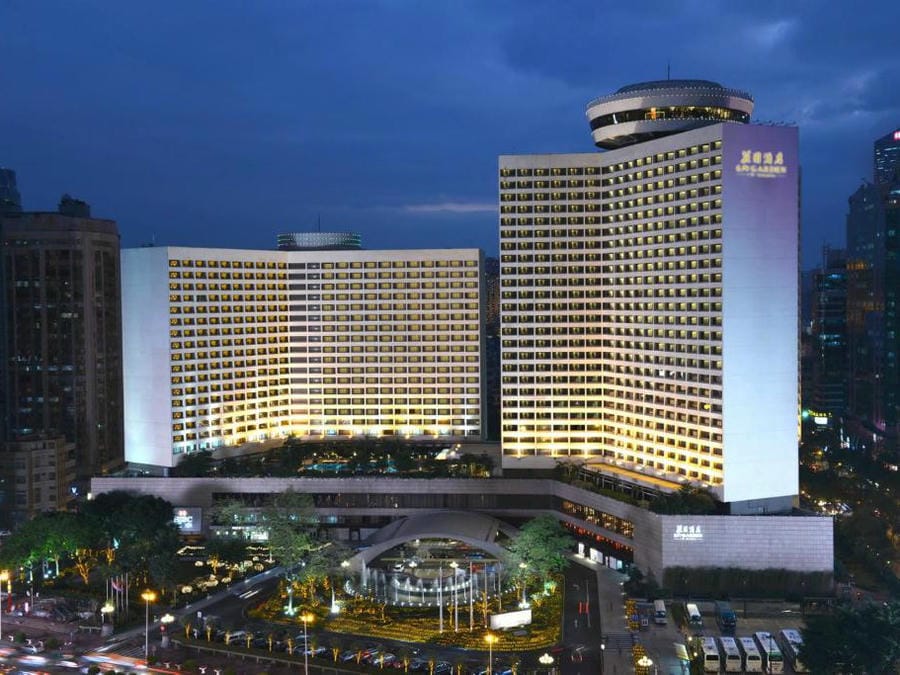
Four cities is already enough for two weeks. Adding Guangzhou, Shenzhen, Guilin or Zhangjiajie may look attractive, but it adds transfer pressure and weakens the route unless you have a specific reason.
A better first trip has fewer city changes and more complete days.
Beijing section
Use Beijing for classic history:
- Forbidden City;
- Great Wall;
- Temple of Heaven;
- Summer Palace;
- hutongs or museum time.
Do not put the Great Wall immediately before a very early transfer if you can avoid it.
Beijing guide: Beijing for first-time visitors
Xi’an section
Use Xi’an for the Terracotta Army and ancient capital context.
Plan one full day for the Terracotta Army and one slower city day. This avoids treating Xi’an as a rushed checkpoint.
Xi’an guide: Xian for first-time visitors
Chengdu section
Use Chengdu as a slower middle section.
Good uses:
- panda base;
- Sichuan food;
- teahouse time;
- Dujiangyan / Mount Qingcheng day trip;
- rest after Beijing and Xi’an.
Chengdu guide: Chengdu for first-time visitors
Shanghai section
Use Shanghai as the modern final city and departure base.
Good uses:
- The Bund;
- Lujiazui;
- Jing’an or Xuhui neighborhoods;
- food and shopping;
- final rest and departure convenience.
Shanghai guide: Shanghai for first-time visitors
Train or flight?
Use trains where they make route sense, and flights where distances are too long or timing is better.
Do not decide only by scheduled travel time. Compare door-to-door time, luggage, hotel location and departure station or airport.
Train vs flight guide: train vs flight in China
Where to stay
Use hotel areas that match each stage:
- Beijing: Dongcheng / Wangfujing / Qianmen;
- Xi’an: Bell Tower / city wall area;
- Chengdu: Chunxi Road / Taikoo Li / Tianfu Square;
- Shanghai: Huangpu / Jing’an / People’s Square.
Where to stay guide: where to stay in China on a first trip
Common mistakes
Do not add too many cities.
Do not make every transfer day a sightseeing day.
Do not ignore rest after the Great Wall or long transfers.
Do not leave attraction booking until the last minute.
Do not book hotels far from the route to save a small amount.
Do not assume you can solve payments and mobile data after arrival.
How to make this route work in practice
The biggest mistake with a China itinerary is treating every transfer as just the time shown on a map. A better planning method is to add time for station entry, security, luggage storage, hotel check-in, payment setup and the first local metro or taxi ride. This keeps the route realistic and makes the trip feel smoother.
For most first-time visitors, one major travel move per day is enough. If you arrive by high-speed train in the afternoon, plan a simple evening near your hotel instead of adding a major attraction across the city. If you have an early flight or train the next morning, stay closer to the departure point or choose an area with direct metro access.
Use this itinerary as a framework rather than a fixed schedule. Travelers who care about museums, food, shopping or business meetings should trade activities within the same city instead of adding another city. That usually improves the trip more than squeezing in an extra stop.
Planning sources and assumptions
Itineraries should be checked against current train times, airport schedules, attraction opening days and city transport changes. Use official railway, airport, metro and attraction pages for the final booking details, then use this guide to judge pacing and trade-offs.
The routes here assume a first-time visitor who wants a realistic pace rather than a maximum city count. If you travel with children, heavy luggage, business meetings or jet lag, remove one activity before adding another.
External checks before booking
Before booking a route, check official destination and transport information rather than relying only on a sample itinerary. Good starting points include the official Travel China tourism site, Beijing Tourism, and Shanghai’s official Travel in Shanghai portal. Use those pages for current events, attraction context and city-specific changes.
FAQ
Is 14 days enough for China?
Yes. Fourteen days is enough for a strong first route such as Beijing + Xi’an + Chengdu + Shanghai.
How many cities should I visit in China in 14 days?
Three to four cities is realistic. More than four cities can become rushed.
Should I include Chengdu in a 14-day China itinerary?
Yes, if you want pandas, Sichuan food and a slower contrast to Beijing, Xi’an and Shanghai.
Should I add Guangzhou or Shenzhen?
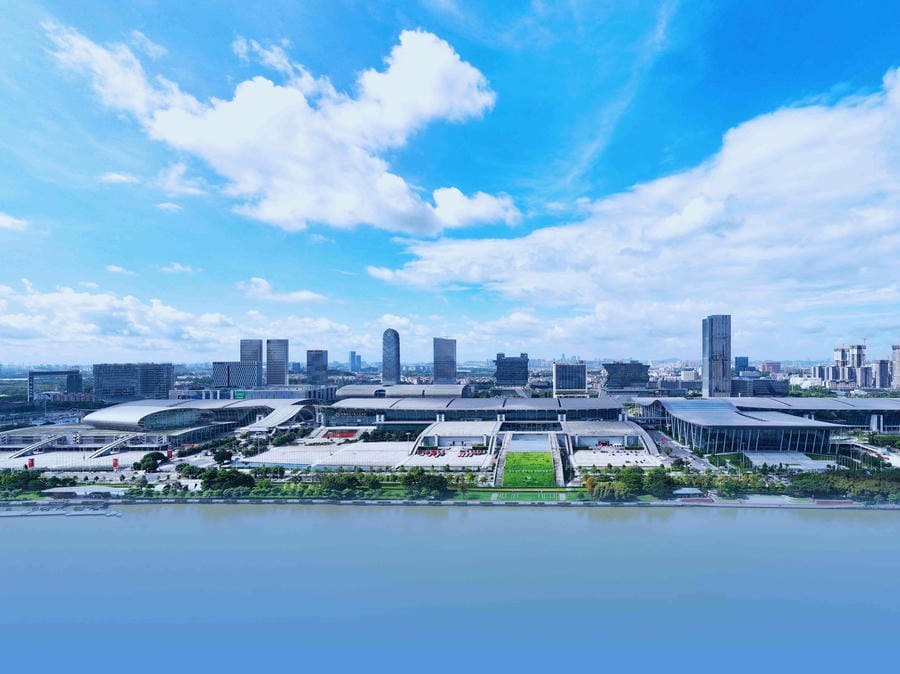
Only if business, Canton Fair or Greater Bay Area travel matters. Otherwise keep the classic route simpler.
Last reviewed
Last reviewed: 2026-08-09
Sources checked: 12306 English FAQ; UNESCO Beijing/Xi’an/Chengdu sources; Itineraries and Destinations clusters. Recheck route schedules and attraction booking before publishing.