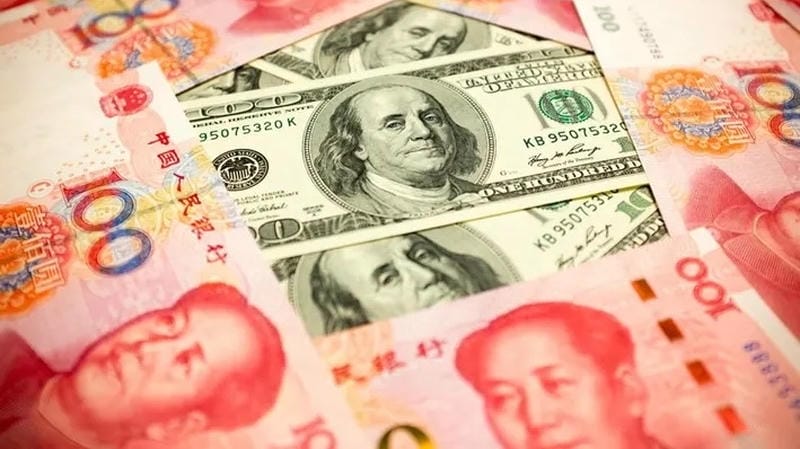
Yes. Tourists should still carry some RMB cash in China, even though daily payments are now heavily mobile-first.
Cash should not be your only payment method. Alipay and WeChat Pay are usually more convenient for daily spending. But cash is still an important backup when your phone battery dies, your mobile payment app fails, your card is declined, or you need to pay for a small local expense.
For the full payment setup, start with the Pillar guide: Payments in China
The short answer
Bring or withdraw some RMB cash for emergencies, but do not rely on cash for every payment.
A practical tourist setup is:
- Alipay as your main mobile payment app;
- WeChat Pay as your backup app;
- a physical bank card for hotels and ATMs;
- RMB cash for emergencies and small local payments.
Is cash accepted in China?
RMB cash remains an official payment method in China. The official payment guidance for visitors lists cash as one of the payment options. Reuters has also reported that China’s central bank has warned against refusing RMB cash as payments become more digital.
In real travel situations, however, cash can still be inconvenient. Many people in China pay by QR code. Some small shops may not keep enough change. Some staff may be more familiar with mobile payments than cash.
So the practical answer is: cash matters, but mobile payment is usually easier.
When cash is useful
Cash is useful when:
- your phone battery is low;
- your eSIM or roaming stops working;
- Alipay or WeChat Pay asks for verification;
- your overseas card is declined;
- a taxi driver cannot process your app payment;
- you need a small emergency payment;
- you are outside a major tourist area;
- your bank blocks a transaction;
- you need to leave a deposit or pay a small local fee.
Cash can also reduce stress on arrival, especially if you land late at night.
When cash is inconvenient
Cash can be inconvenient when:
- the merchant has no change;
- the payment is expected through a QR code;
- a restaurant order system is app-based;
- you need to book services online;
- a transport service is linked to an app;
- the staff rarely handle foreign visitors using cash.
This is why cash should be a backup, not your complete China payment plan.
How much cash should tourists carry?
There is no single correct amount. The right amount depends on your route, comfort level, hotel arrangements, and whether your payment apps are already working.
A practical approach:
- Carry enough cash for airport-to-hotel transport.
- Keep enough for one simple meal and local transport.
- Keep a separate emergency amount away from your daily wallet.
- Use smaller notes when possible.
Avoid carrying large amounts of cash unnecessarily. For most city trips, the goal is not to pay for everything with cash. The goal is to avoid being stuck if mobile payments fail.
Where to get RMB cash
Common options include:
- exchange before departure;
- airport exchange counters;
- bank ATMs in China;
- hotel or bank help after arrival;
- exchange services in major cities.
Check fees and exchange rates. Airports may be convenient but not always the cheapest. ATMs may work with some international cards, but not all cards work at all machines.
Use smaller notes
Smaller notes are more practical for tourists.
Large notes can be awkward for:
- small shops;
- taxis;
- street food;
- small local services;
- quick emergency payments.
If you receive large notes from an ATM or exchange counter, break them at a hotel, larger store, or bank when convenient.
Cash for taxis
Traditional taxis may prefer mobile payment, but cash can still be useful if you do not have Alipay or WeChat Pay working.
Before starting the ride, you can confirm whether cash is accepted. Keep your destination in Chinese and use official taxi queues at airports and train stations.
Transport payment guide: how to pay for transport in China
Cash for restaurants and shops
Many restaurants and shops are used to QR payments. Cash may work, but the staff may need time to find change.
For small restaurants, mobile payment is usually smoother. For tourist-facing businesses, both cash and mobile payment may be possible.
Cash for hotels
Large hotels are more likely to accept international cards. Smaller hotels may prefer Alipay, WeChat Pay, or cash. Deposits can be a separate issue, so confirm payment methods before arrival when possible.
For business travelers, confirm whether the hotel accepts your company card and how deposits and invoices are handled.
Cash and safety
China is generally convenient for cash handling, but normal travel precautions still apply:
- do not carry all cash in one place;
- keep emergency cash separate;
- avoid showing large amounts in public;
- use ATMs in banks or secure locations;
- check notes when exchanging money;
- keep receipts for exchange when provided.
Cash should be part of a backup plan
Cash works best as one layer of a payment backup plan:
Layer 1: Alipay.
Layer 2: WeChat Pay.
Layer 3: Physical bank card.
Layer 4: RMB cash.
Layer 5: Working mobile data and power bank.
Full backup guide: China payment backup plan
Common mistakes
Do not arrive with zero RMB cash.
Do not rely only on cash.
Do not carry only large notes.
Do not assume every ATM will accept your foreign card.
Do not assume every small merchant will have change.
Do not leave your payment app setup until after arrival.
Payment sources and caveats
Payment availability in China is practical rather than absolute: the right setup can still fail at a small merchant, in a taxi, or when a card issuer blocks a verification step. For the current official baseline, check the State Council’s payment service guide for overseas visitors and Alipay+’s guide to paying in the Chinese mainland.
If your trip depends on mobile payments, test your setup before departure and still carry a backup card plus a small amount of RMB cash. The goal is not to find one perfect method, but to avoid having only one way to pay.
FAQ
Can tourists use cash in China?
Yes. RMB cash is still a valid payment method and remains useful as a backup. In practice, mobile payment is often more convenient for daily spending.
Is China completely cashless?
No. But many daily payments are mobile-first, especially in cities.
Should I exchange money before going to China?
It can be helpful to have some RMB before arrival, especially for late-night arrivals. You can also withdraw or exchange money after arriving, but fees and availability vary.
Can I pay taxis with cash in China?
Often yes, but confirm before the ride if your mobile payment apps are not working.
Is cash better than Alipay or WeChat Pay?
For most daily payments, no. Cash is best treated as an emergency backup.
Last reviewed
Last reviewed: 2026-07-01
Sources checked: Chinese Embassy / PBOC payment guide; Reuters reporting on PBOC cash acceptance guidance. Recheck official guidance before major updates.