A foreign traveler can use food-delivery apps in China, but the difficult part is usually not choosing a restaurant. The practical friction is getting through a Chinese-language interface, entering a usable Chinese delivery address, having a payment method ready, staying reachable for the rider, and knowing where the hotel wants the order handed over.
For a short first trip, food delivery is optional. If you are staying several nights in one hotel, working late, attending a trade fair, or simply want a meal delivered after a long day, the workflow below is the simplest way to make it manageable.
Food delivery in China: the practical traveler workflow
1. Ask the hotel for the delivery address in Chinese
Before opening a delivery app, ask the front desk for the hotel name and full delivery address in Chinese and confirm where takeaway orders should be left. Some hotels use the lobby, front desk, a delivery shelf, a locker, or another designated pickup point rather than allowing a rider to go to the room.
Save the Chinese address as text so you can paste it into the app. Do not rely only on the English hotel name, and do not add a room number unless the hotel tells you that this is how deliveries are handled.
2. Make sure your phone and payment setup are usable
You may need a phone number for account or order communication, and the rider may call or message if the entrance is unclear. If your trip setup does not include a Chinese number, check the app’s current registration options before depending on it for a meal.
For payments, China officially supports several options for overseas visitors, including Alipay and Weixin Pay with supported international bank cards. The exact payment path available inside a delivery app can still vary, so set up and test your payment method before placing an order. See the official Guide to Payment Services in China and our practical payment guide for foreign visitors.
3. Use translation for the interface, not guesswork
If the delivery interface is mostly Chinese, use your phone’s screenshot, camera, or screen-translation workflow to identify the address field, delivery notes, item options, fees, checkout button, and rider messages. Translate the final order screen before paying so that you can verify the restaurant, quantity, address, and total.
For a broader setup, keep a translation app ready before you arrive. See Translation Apps in China.
4. Enter the address first, then choose the restaurant
A practical sequence is: set the correct delivery location, verify the map pin if the app shows one, then browse restaurants that can actually deliver to that address. This avoids spending time building an order before discovering that the restaurant is outside the delivery area.
If the hotel entrance is difficult to identify, add a short delivery note only after confirming with the front desk what information will help the rider.
5. Stay reachable after checkout
Do not put the phone away immediately after ordering. Watch the order-status screen and be ready for a call or message. If language becomes a problem, a translated text message or help from the hotel front desk is usually easier than trying to explain a complicated entrance by voice.
6. Use a fallback instead of forcing the app to work
If registration, payment, address entry, or rider communication becomes too difficult, switch to a lower-friction option: ask the hotel for help, walk to a nearby restaurant, use a mall food court or convenience store, or use a map/review app to find food close to the hotel. Delivery should save time, not become a travel project of its own.
Which food-delivery apps matter?
Meituan
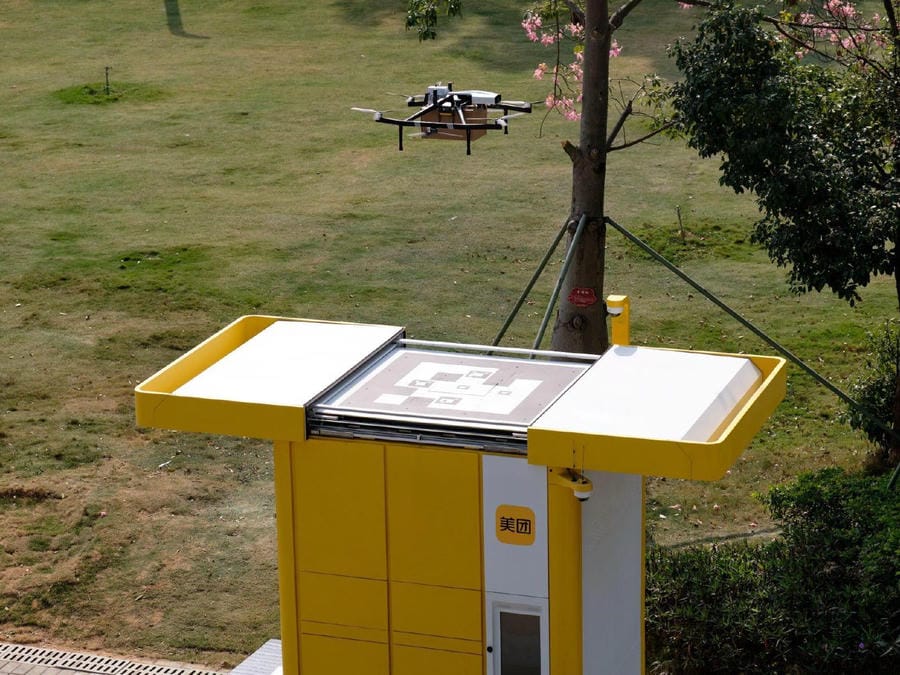
Meituan is a major Chinese local-services platform and is one of the main names travelers will encounter when looking for food delivery and nearby services. Its corporate site describes Meituan as a technology-driven retail company focused on services and goods retail. Meituan official company information.
Ele.me
Ele.me is another major food-delivery platform in China. For a foreign visitor, the practical decision is less about which brand is theoretically best and more about which app you can register for, understand, pay in, and use with your actual hotel address.
Dianping
Dianping is useful for restaurant discovery, reviews, rankings, photos, and local business information. Even if you decide not to order delivery, it can help you identify nearby places to eat.
Before your first order: a 60-second checklist
- Chinese hotel name and full address copied as text.
- Correct delivery point confirmed with the hotel.
- Phone or messaging path available for rider contact.
- Translation method ready for Chinese menus and status messages.
- Payment method already set up and tested.
- Final restaurant, items, quantity, address, and total checked before payment.
- Backup meal option identified if the order cannot be completed.
Common failure points for foreign travelers
- Chinese-only interface: translate the checkout and address screens instead of guessing.
- Wrong hotel pin or address: use the Chinese address supplied by the hotel and verify the location.
- Payment failure: test your mobile-payment setup before you need the order.
- Rider cannot find you: stay reachable and use the hotel’s preferred handoff point.
- Phone-number problem: check registration and contact requirements before relying on the app.
- Too much setup for one meal: switch to hotel help, a nearby restaurant, mall food court, or convenience store.
Related setup guides
- Best Apps for China Travel
- Do I Need a Chinese Phone Number in China?
- How to Pay in China
- Translation Apps in China
- China Map Apps for Tourists
FAQ
Can foreigners use food-delivery apps in China?
They can be usable for foreign visitors, but the experience depends on the app’s current registration flow, language, phone contact, payment setup, address entry, and the hotel’s delivery rules. Treat those as setup checks rather than assuming the app will work exactly like a delivery app at home.
What if I cannot read the Chinese interface?
Use screenshot, camera, or screen translation and focus on a small number of screens: address, menu options, cart, checkout, order status, and rider messages. Verify the final order before paying.
What address should I use for a hotel delivery?
Ask the hotel for its full Chinese delivery address and the correct handoff point. Do not rely only on the English hotel name or assume a rider can deliver directly to your room.
Are food-delivery apps essential for a first trip to China?
No. Payments, maps, translation, transport, and connectivity are usually higher priorities. Food delivery becomes more useful when you stay in one place for several days or need convenient hotel meals.
Last reviewed
Last reviewed: September 28, 2026.