China travel FAQs
Quick answers for first-time visitors
Start with the questions that usually create the most stress before a first China trip: entry rules, payment, internet access, essential apps, transport, hotels, itinerary planning, and safety.
Browse guides
Entry & visa
Entry rules depend on your nationality, passport, route, purpose of visit, and length of stay. Use these answers as a planning starting point, then confirm details with official sources before booking.
Do I need a visa to visit China?
It depends on your nationality, passport type, purpose of visit, and length of stay. Some visitors may need a visa before departure, while others may qualify for visa-free entry or visa-free transit. Before booking flights or hotels, check the latest rules from the Chinese embassy, consulate, or official immigration source that applies to your passport.
Can I use China’s visa-free transit policy?
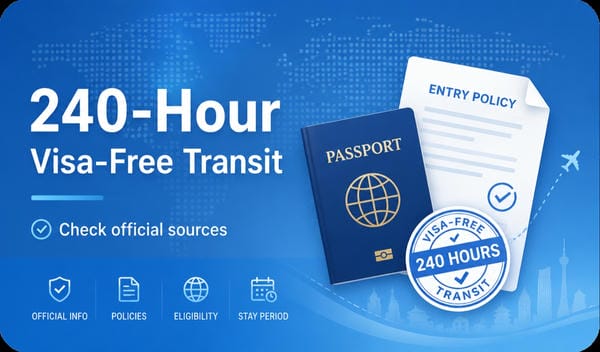
Possibly, but visa-free transit is not the same as ordinary visa-free tourism. It usually requires a valid passport, a confirmed onward ticket, and a route that transits China on the way to a third country or region. Eligible nationalities, ports, permitted areas, and stay limits can change, so confirm the exact route before relying on it.
What should I prepare before immigration?
Prepare your passport, valid visa or visa-free eligibility, onward or return travel details, accommodation information, and a clear explanation of your travel purpose. If you plan to use visa-free transit, keep your onward ticket and route details easy to access. Do not assume airline check-in staff will interpret the rules the same way you do.
Can I leave the airport during a layover?
Only if your transit situation allows it and you complete the required entry process. Some short transits may require you to stay inside the restricted port area unless you obtain temporary entry permission. If you want to leave the airport, check the transit rule, permitted area, arrival port, onward ticket, and minimum connection time carefully.
Do I need to register my accommodation?
Hotels normally handle accommodation registration for foreign guests. If you stay somewhere other than a hotel, such as a private home or certain apartment-style accommodation, you or your host may need to complete registration with the local public security authority within the required time. Confirm this before choosing non-hotel accommodation.
Payment
Payment is one of the biggest practical differences for many first-time visitors. Prepare more than one option before arrival, especially mobile payment, card backup, and some cash.
Can foreigners use Alipay or WeChat Pay?
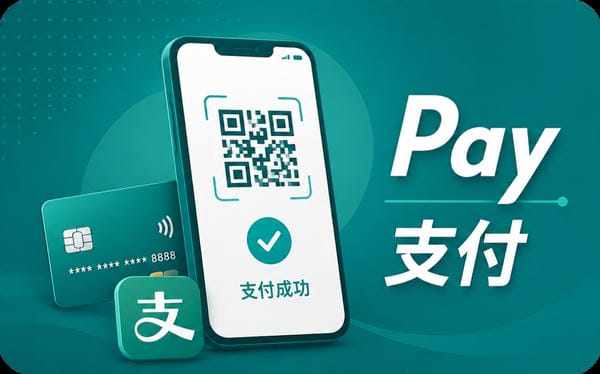
Many foreign visitors can use Alipay or WeChat Pay by linking an eligible international bank card, but setup, verification, card support, fees, and transaction limits may vary. Install and test the app before departure when possible. Do not wait until you are standing at a taxi queue, restaurant, or metro station to discover that payment verification is unfinished.
Do I still need cash in China?
Mobile payment is very common, but carrying some cash is still a good backup. It can help if your phone battery dies, your card is not accepted, your app needs verification, or you visit a small place where your preferred payment method fails. Avoid relying on cash alone, because many daily services are now designed around mobile payment.
Will my Visa or Mastercard work everywhere?
International cards may work in some hotels, larger stores, airports, and tourist-facing businesses, but they are not a universal daily payment method in China. Small restaurants, taxis, local shops, and self-service machines may prefer mobile payment or domestic payment systems. Bring a card, but prepare mobile payment and cash backup too.
Should I set up payment before arriving?
Yes. Set up payment before you travel if possible. Install the app, link your card, complete any required identity or phone verification, and test small functions in advance. Also make sure your bank will not block overseas transactions. A working payment setup can reduce stress during airport transfers, food ordering, metro rides, and train bookings.
What should I do if mobile payment fails?
Keep a backup plan. Try another card, use cash, ask whether international cards are accepted, or use a different payment app if you have one prepared. For important travel steps such as airport transfers, hotels, and train tickets, avoid depending on a single payment method. Keep your bank’s overseas support contact available.
Internet & apps
A smooth China trip often depends on being connected. Prepare mobile data, key apps, translation tools, maps, and backup access before you land.
Should I buy an eSIM, roaming plan, or local SIM?
The best choice depends on your phone, carrier, route, and how much data you need. Check whether your phone is unlocked, whether it supports eSIM, and whether your plan works in mainland China. A travel eSIM or roaming plan can be convenient, while a local SIM may help with local calls or messages, but setup can take time.
Will all my usual apps and websites work in China?
Do not assume every app or website will work the same way as at home. Some services may be slow, unavailable, or affected by network restrictions. Prepare the tools you need before arrival, keep important booking details offline, and avoid relying on a single app for maps, translation, tickets, payment, or communication.
Do I need a Chinese phone number?
Not always, but a Chinese phone number can make some local services easier, especially account verification, deliveries, ride-hailing, restaurant queues, or service calls. Many short-term visitors can still travel with roaming or eSIM data, but they should prepare for situations where SMS verification or local contact details are requested.
Which apps should I install before coming to China?
Prepare apps for payment, messaging, maps, translation, ride-hailing, hotel booking, train booking, airline updates, and emergency contact storage. Install them before departure, because app store access, verification messages, and card linking can be harder after arrival. Keep screenshots or offline copies of key bookings in case your connection fails.
How should I prepare maps and translation?
Save hotel names, addresses, train stations, airport terminals, and key destinations in both English and Chinese where possible. Translation apps are helpful, but they are not a substitute for clear addresses and screenshots. For taxis, hotels, restaurants, and stations, having the Chinese name can reduce confusion and save time.
Transport
China’s transport system can be efficient, but first-time visitors should understand station flow, ticket rules, ID checks, and route planning before travel days.
Is China’s high-speed rail easy for first-time visitors?
It can be very convenient once you understand the process. The main challenges are choosing the right station, buying the correct ticket, using the same ID document for booking and travel, passing security, finding the gate, and allowing enough time. Prepare your route and station names carefully, especially in cities with multiple railway stations.
Where should I buy train tickets?
The official railway channel is 12306, and some visitors also use trusted travel platforms or hotel assistance. Whichever channel you use, make sure your name and passport details match your travel document. Keep the booking record and bring the same passport used for purchase when entering and leaving stations.
Do I need my passport for trains?
Yes. China uses real-name ticketing for rail travel. Foreign passengers normally need the valid passport or travel document used to buy the ticket. Keep it accessible on train days, not packed deep inside luggage. You may need it for ticket purchase, station entry, boarding checks, or ticket changes and refunds.
Should I take trains or flights between cities?
For many popular city pairs, high-speed rail can be easier than flying because stations may be closer to city centers and security can be simpler. For long distances, flights may save time. Compare total door-to-door time, station or airport location, luggage, price, arrival time, and your comfort with transfers.
How early should I arrive at a train station?
For a first high-speed rail trip, arrive earlier than a local traveler would. Large stations can involve security checks, ID checks, long walking distances, multiple waiting halls, and gate changes. If you do not speak Chinese or you are carrying luggage, give yourself extra time rather than planning a tight connection.
Hotels & itinerary
Good hotel areas and realistic pacing can make a first China trip much easier. Plan around arrival points, transport access, rest time, and the daily decisions you will actually face.
How should I choose a hotel area?
For a first visit, choose convenience over perfection. Look for areas with easy access to metro lines, railway stations, airport links, restaurants, and the main places you want to visit. Avoid choosing a hotel only because it is cheap or close to one attraction if it makes daily transport harder.
Can every hotel host foreign guests?
Do not assume every property is equally prepared for foreign passport registration. Larger hotels and international booking platforms are usually easier for first-time visitors, but you should still check recent reviews and hotel policies. If booking smaller hotels, apartments, or guesthouses, confirm in advance that they can handle foreign guest registration properly.
How many cities should I visit on a first China trip?
Fewer than you think. China is large, and transfers can take more energy than the map suggests. For a short first trip, two or three cities may be more realistic than trying to cover everything. Leave space for arrival recovery, payment setup, app issues, weather changes, and slower-than-expected sightseeing days.
Is a 7-day China itinerary enough?
Seven days can work well for one region or a simple two-city trip. It is usually not enough for a rushed cross-country checklist. A good first itinerary should balance major sights, local neighborhoods, transport time, and rest. Avoid turning every day into a long transfer or a full-day sightseeing marathon.
Should I book everything before arrival?
Book the parts that affect your arrival and major transfers first: flights, first hotel, key train routes, and any must-visit timed attractions. Leave some flexibility for meals, local neighborhoods, shopping, weather, and recovery time. A first China trip is easier when the essential structure is fixed but every hour is not overplanned.
Safety
Most travel problems are easier to handle when you prepare documents, payment backups, emergency numbers, and a simple plan for lost items or medical issues.
Is China safe for first-time visitors?
Many visitors experience major Chinese cities as orderly and comfortable, but you should still use normal travel judgment. Protect your passport, phone, wallet, and bags. Avoid unlicensed services, unclear prices, and situations where you feel pressured to pay quickly. Keep hotel details and emergency contacts available offline.
What emergency numbers should I know?
The main emergency numbers are 110 for police, 119 for fire, and 120 for medical emergencies. In a serious situation, provide your location as clearly as possible, including city, district, street, building, hotel, station, or landmark. Ask hotel staff, station staff, or nearby service counters for help if language becomes difficult.
What should I do if I lose my passport?
Treat it as urgent. Report the loss to local police, contact your embassy or consulate, and ask your hotel or host for help with translation and local procedures. Keep a digital copy of your passport, visa, entry stamp, and travel insurance separately from the physical passport before your trip.
Should I buy travel insurance?
Yes, especially for medical care, cancellations, lost documents, baggage problems, and travel disruption. Check whether your policy covers mainland China, your planned activities, pre-existing conditions, emergency medical treatment, and trip interruption. Keep the policy number and emergency assistance contact available offline.
How can I avoid common travel problems?
Use official or trusted booking channels, confirm prices before accepting services, keep payment backups, avoid tight transfers, save Chinese addresses, and do not rely on one app for everything. Most avoidable problems come from poor preparation, unclear transport plans, payment failure, or rushing on arrival day.
We keep practical guides source-aware
Visa, entry, payment, transport, accommodation registration, and safety details can change. HalloChina gives practical planning guidance, but important decisions should always be checked against official or authoritative sources before you book, pay, or travel.

Still have questions?
Need more help?
Send a practical China travel question, or join the early list for updates as new guides are added.
Get the checklist and practical guide updates as HalloChina grows.